
Memory
Gratitude 4/5/2026

I am grateful for the gift of a new day.
My heart is filled with gratitude for the many blessings I have.
I will appreciate the small joys and express my thanks in all circumstances.
Let my attitude of gratitude bring joy to others.
I am grateful for human memory.
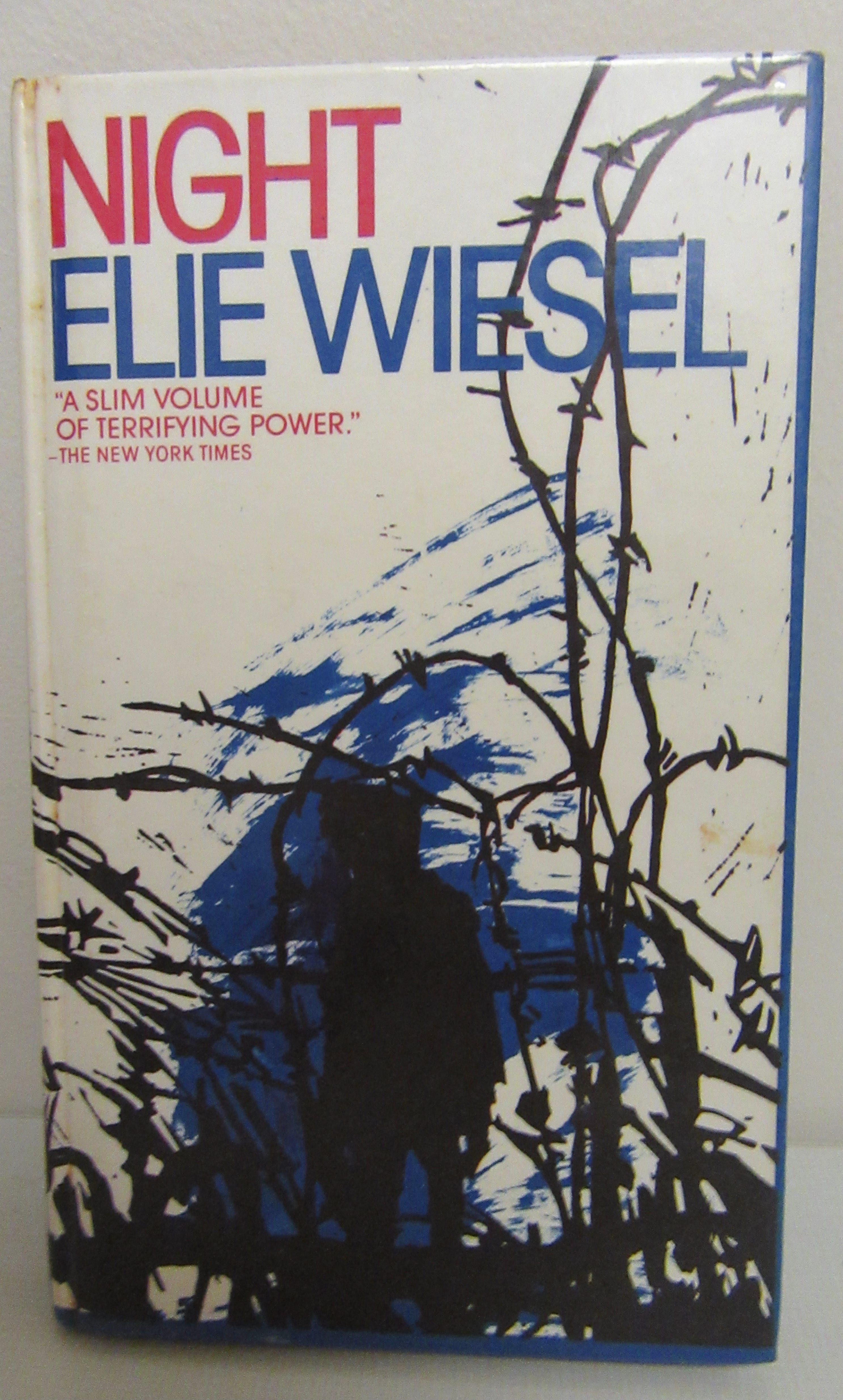
Saturday morning when I woke up and couldn’t sleep, I watched a PBS program American Masters about Elie Wiesel. It was powerful. It made me think about the importance of human memory, something that makes us unique.
Memories can be very very sweet. We remember times of joy when we celebrated with our families. Our earliest memories can be the comfort of our mothers, childhood songs, and favorite toys.
On Saturday we had a Passover seder with our daughters, sons-in-laws and our two granddaughters. It brought back memories of family seders that my husband had with his grandparents, and memories of family seders we had when our children were young.
At the seder, our little two and a half year old granddaughter nibbled on matzah, got an overview of the special foods on the seder plate, wore a yamaka, sang songs, found the Aifikoman, got a prize, and heard the story of the Exodus from Egypt. I’m hoping she has warm memories of these events with her grandparents, just as my husband does.
Memories can be very painful, too. On Saturday Stewart and I listened to a story on the Moth radio about a girl with a little brother who described her past growing up in abject poverty where she was the main caretaker of her brother. On Sunday my younger daughter and I traveled to Cincinnati to visit with my stepmother and stepsister. We talked a lot about our past. I had never counted the many times my stepsister had moved throughout her childhood, living with her mother, her father, and her grandparents as she had bouts of flareups from Crohn’s disease.
Elie Wiesel, who survived the Holocaust that killed his mother, father, and younger sister, devoted his life to recording and reciting memories of the Holocaust. In the program his son described what it was like on school career days when children told what their parents did for a living. He would say that his father told true stories about his past so his memories of history would not be forgotten.
That’s what history is. It recounts events that happened, what led up to the event, and then the intended and unintended consequences from it. Painful historical memories are difficult to recount. A few years ago, I asked my mother’s cousin who was born in 1932 about what she knew about the Spanish flu pandemic of 1918-20, which killed more people, especially young people, than WWI did. It had occurred twelve years before she was born. She said no one ever talked about it. Both my grandfathers served in WWI, and I don’t remember either of them ever talked about it. It’s so hard to remember painful times when you are powerless.
I am amazed how quickly people are dismissing the COVID 19 pandemic, which killed a million Americans and millions worldwide. Mostly older people were affected, but I personally know of 15 people who died of COVID. We whitewash the fear and suffering by focusing on inconvenient school closings, limitations of group events, and wearing masks in our memories. But at the time, we were trying everything to avoid getting the disease and even if we got mild cases, to keep from spreading it to vulnerable people, like our parents and grandparents.
Elie Wiesel made a powerful point about memory in the program I watched, it was one I had never thought of. He said that remembering wrongs and suffering is a form of punishment. It forces individuals to confront their past and the wrongs that have been committed against them. You can be beaten or stripped of your dignity and humanity. But those who live to remember what really happened have a way to hold the monsters accountable.
On a very superficial level, I know that my sisters and family remember the past with me. Sometimes we remember happy times and our little triumphs. Sometimes we recall stupid things I said and did in the past. Both kinds of memories tell my truth. They hold me accountable and keep me humble. My sister did punch me in the nose because I read her diary!
I remember my mother-in-law telling me that she could forgive, but she would never forget some things. Her memories were lessons.
Wiesel's belief was that memory, even painful memories, can lead to healing and redemption. But the memories must be recounted with a sense of responsibility and the intention to make amends, never to seek vengeance. Memory, when used to foster understanding and justice, is a powerful tool for change and healing.
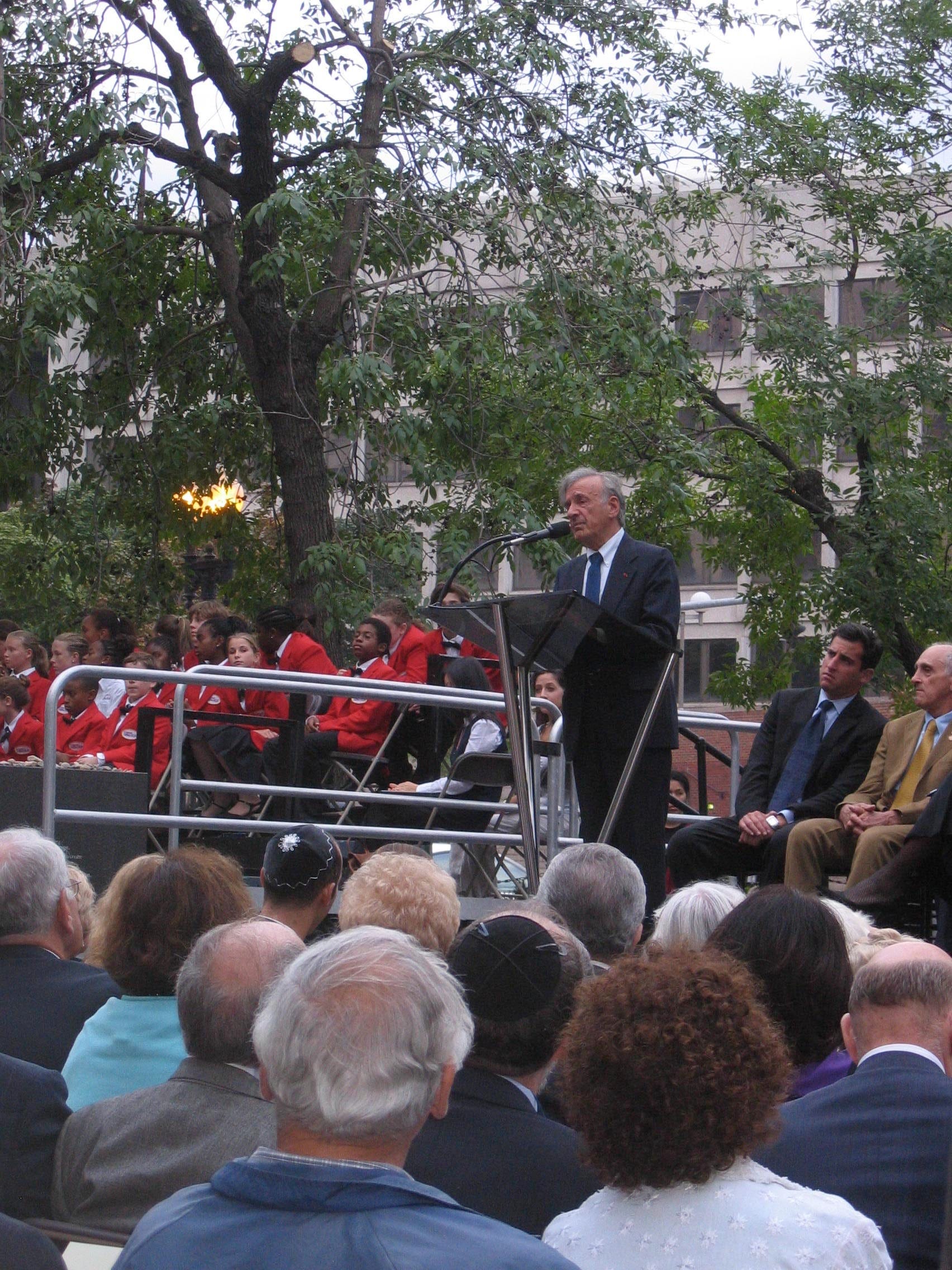
In 2005 when I took my Girl Scout troop to Boston to go to the National Historical sites there, like the Freedom Trail, the Old North Church… we happened upon Elie Wisel giving a speech in an outdoor venue. We stopped and listened to his talk. It was a powerful experience.
I do not know if other living things have memory. But I do know how incredibly important it is for human beings. It is so important, books have been written, monuments have been built, dramas have been performed, and countless stories have been told to give us the lessons of the past so we can forge a better future and not make the same mistakes those who came before made.
I am grateful for the memories I have made and for those people who record memories to understand what we are all about.